The power of lines in Interior Design: guiding the eye and shaping emotion

The power of lines in Interior Design: guiding the eye and shaping emotion

The power of lines in Interior Design:

guiding the eye and shaping emotion

Lines are the silent architects of every space. They quietly guide the eye, define form, and influence the atmosphere of a room long before colour, texture, or light come into play. Understanding how lines work, and how to use them intentionally, can transform the way a space feels and functions.

vertical lines: elevating space and elegance

Think of tall paneling, full-height curtains, or striking shelving units that stretch toward the ceiling. Vertical lines draw the gaze upward, enhancing the sense of height and formality. They create an impression of grandeur and can visually “lift” a low ceiling. Use verticality when you want sophistication, confidence, or drama—perfect for living rooms, entryways, or dining areas that need a touch of refinement.

photo 01 @CanopyCollection
photo 02 @gotain.official
photo 03 @sohohome

horizontal lines: calm, stability, and balance

Horizontal lines appear in long shelving, low-slung furniture, or linear wall features. They emphasise width and ground a space, making it feel relaxed, modern, and stable. This effect works beautifully in spaces designed for rest or social connection, such as living rooms or bedrooms. For open-plan areas, horizontal elements can also help visually “anchor” furniture groupings and maintain flow.

photo 01 @galeriewas
photo 02 @studioofficina

diagonal lines: movement and energy

Dynamic and bold, diagonal lines add rhythm and energy to interiors. You might find them in the rise of a staircase, angled furniture layouts, or eye-catching patterns on rugs or walls. Because they naturally draw attention, use diagonals deliberately: too many can cause visual chaos. A single diagonal feature can bring excitement and direction to an otherwise calm space.

photo 01 @patricia_bustos
photo 02 @vintagefurnituremelbourne

curved lines: softness and flow

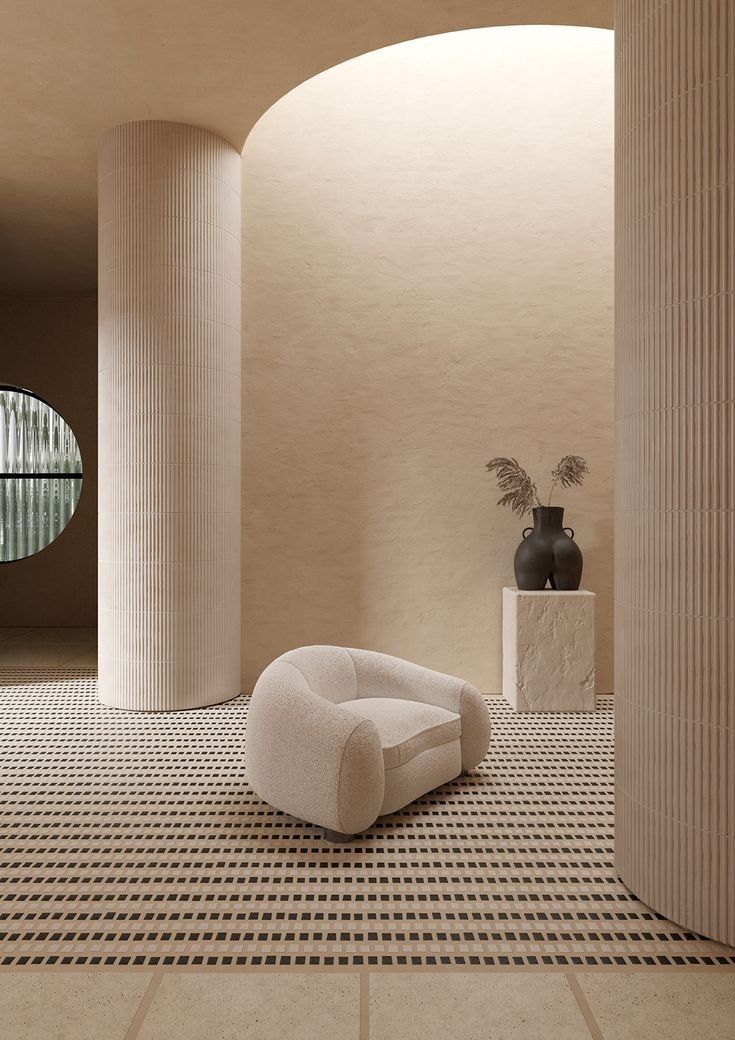
Curves introduce softness, comfort, and a sense of movement. Rounded furniture, arched doorways, or circular decor elements bring a natural, organic feel that balances the rigidity of straight lines. They’re especially effective in spaces where you want to invite relaxation and warmth—think lounges, bedrooms, or any area calling for a touch of elegance and ease.

photo 01 @sixtheresidenceuk
photo 02 @namu.bureau

When used thoughtfully, lines can do far more than define edges, they can shape mood, reveal character, and tell a story. The secret lies in balance: pairing vertical ambition with horizontal calm, adding a whisper of curve amidst structure, and introducing diagonals to keep the eye intrigued.

Just as a well-composed room feels effortless, the right use of lines quietly guides how we experience it, beautifully and intuitively.

How to create illusions with colours

How to create illusions with colours

How to create illusions with colours

Ever heard of trompe-l'œil? It means “deceive the eye” in French. This artistic technique is designed to capture realistic three-dimensional objects or scenes on a flat, two-dimensional surface.

Used for centuries, trompe-l'œil remains a powerful tool in modern interior design. When applied thoughtfully, it can transform ordinary rooms into immersive visual experiences — turning plain walls into something far more dimensional and engaging.

And while you might associate it with intricate mural painting, colour is actually one of the most accessible and effective ways to introduce this technique into your space.

How? Through the strategic use of light and shadow, contrast, and tonal variation, you can create depth, simulate texture, or suggest architectural features — even when none exist. So, let’s set aside the flat feature wall for a moment and explore something a little more imaginative.

shadows and highlights

By applying darker and lighter shades of the same colour, you can suggest recesses and protrusions — such as faux panelling, columns, or even windows. A painted archway with a subtle inner gradient can appear convincingly real when executed with well-blended tones.

photo credit Pinterest

cool vs warm tones

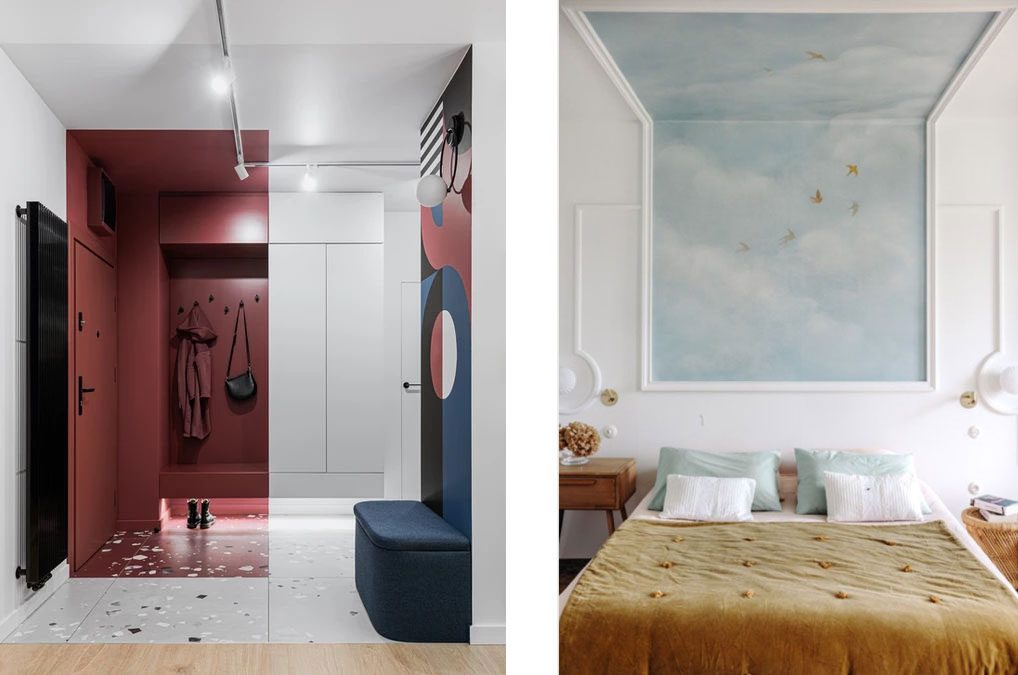
Cool colours like soft blues and greys tend to recede, while warm tones such as ochres and terracottas come forward. By applying this principle, you can make a flat wall appear to have niches or alcoves simply by “pushing” and “pulling” areas with contrasting temperature tones.

photo 01 & 02 Pinterest

simulating materials

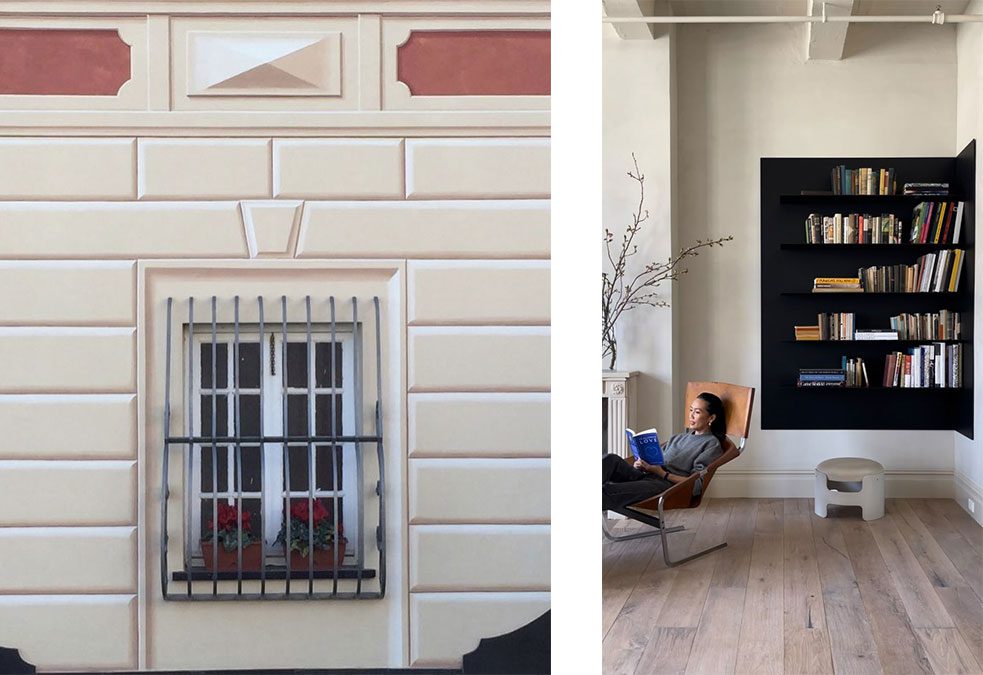
Want the look of marble, brick, or stone without the cost? Trompe-l'œil painting techniques — using layered colour washes and subtle veining — can convincingly replicate these textures. Pair with satin or matte finishes to enhance surface realism.

photo 01 Eva Ferrari Restauri
photo 02 Contemporary Industrial Bookshelf by Nam for Stylish Home Storage
If you are wondering where you can use this technique, the answer is basically everywhere:

Ceilings

Paint a skylight, beams, or even clouds to open up a low room.

Walls

In smaller homes, trompe-l'œil is one of the best space-saving visual tricks. For example, to create the illusion of height, paint picture rails in a brighter, bolder colour than the wall. No picture rails? Just fake them — that’s what trompe-l'œil is all about.

Doors and cabinets

Add depth with painted shadows or whimsical designs like bookshelves or hidden passageways.

Hallways

Elongate or widen narrow spaces by using perspective lines and colour fades.

A few basic rules to keep in mind:

Use matte finishes

Glossy paints can ruin the illusion by catching light inconsistently.

Test in natural light

Shadows and illusions shift with the day. Always sample your effect under the room’s real lighting conditions.

Basic science of colour

Dark colours advance, whereas pale colours recede. If you want to make the beading on that bedside table pop, use warmer tones to make it advance. Cooler shades, on the other hand, should be reserved for making something recede, such as the outlines on that recessed wardrobe panelling. Darker cool tones are especially useful for adding depth to alcove shelving.

Whether you’re looking to bring an authentic feel to a historic house or add texture to a more modern home, trompe-l'œil is a brilliant 'trick of the eye' technique for creating head-turning, impactful spaces. If you’re thinking about decorating a little differently and bringing a new dimension to your interior design, this might be the perfect moment to try something new!

Drop us an email if you’d like to discuss a project.

How to make your home feel bigger – 6 interior tips

How to make your home feel bigger – 6 interior tips

How to make your home feel bigger - 6 interior tips

In today's urban living, maximizing space is a key challenge for many homeowners. However, with the right interior design techniques, you can create the illusion of a larger space, making your home feel more open and inviting.

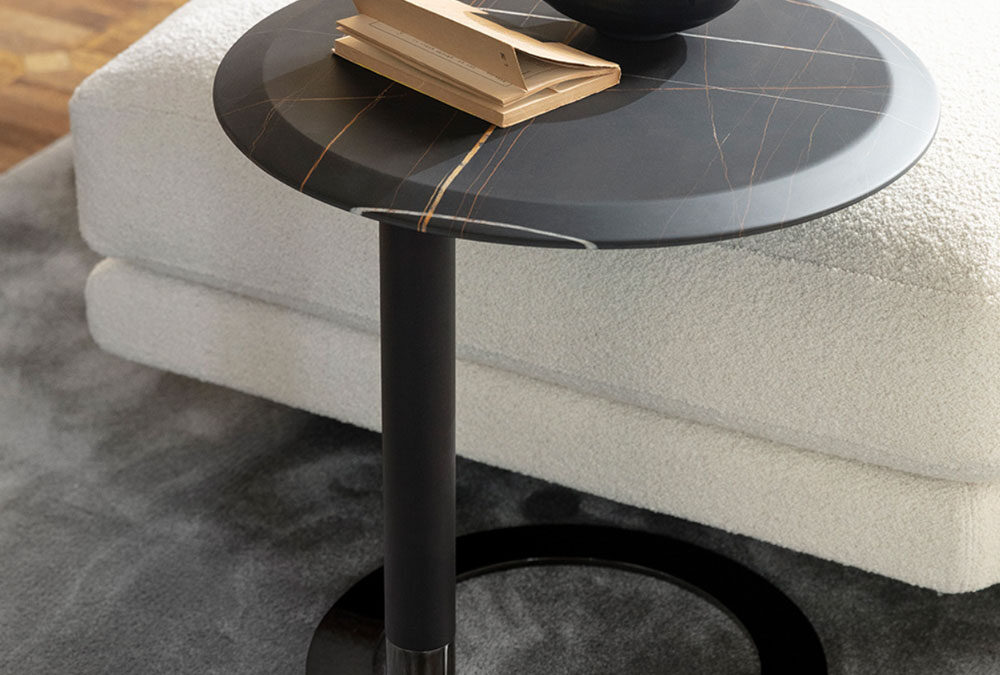
sidetable@Porada

Incorporating some tips into your interior design approach, you can create a home that not only looks spacious but also feels like a comfortable and inviting haven. Read below how to make the most of your space:

let the light come inside

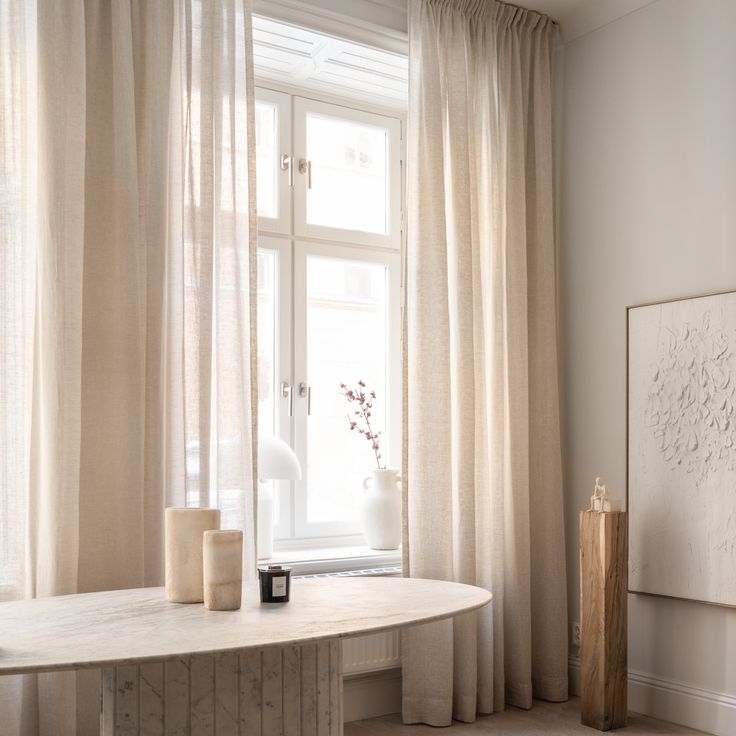
Opting for natural light, whenever possible, is a great way to make your space feel larger. Use sheer curtains or blinds to allow sunlight to filter through, giving the room an airy and open feel. Additionally, strategic placement of mirrors can reflect light, making the space seem larger and more vibrant.

consider functional furniture

Invest in furniture that serves multiple purposes. For example, a sofa with hidden storage or a coffee table that can double as a desk. This not only reduces clutter but also maximizes the functionality of each piece, making the room feel more organized and spacious.

less is more

A clutter-free space appears larger. Be selective about the items you display and keep surfaces clean. Consider incorporating storage solutions like shelves and cabinets to keep belongings out of sight, creating a more streamlined and open environment.

surprise element

One of the biggest reasons people hire interior designers to do up their homes is because they love the surprise element. Interior designers bring a sense of style and aesthetics to think outside the box, making your home more appealing and functional. Their knowledge of design trends and timeless classics enables them to customize your space according to your personal aesthetic.

use the vertical space

Take advantage of vertical space to draw the eye upward, giving the illusion of height. Floor-to-ceiling shelving or tall furniture pieces can create a sense of grandeur and openness. This draws attention away from the limited floor space.

scale and Proportion

Choose furniture and decor that are proportionate to the size of the room. Oversized furniture can make a space feel cramped, while appropriately scaled pieces contribute to a balanced and open atmosphere.

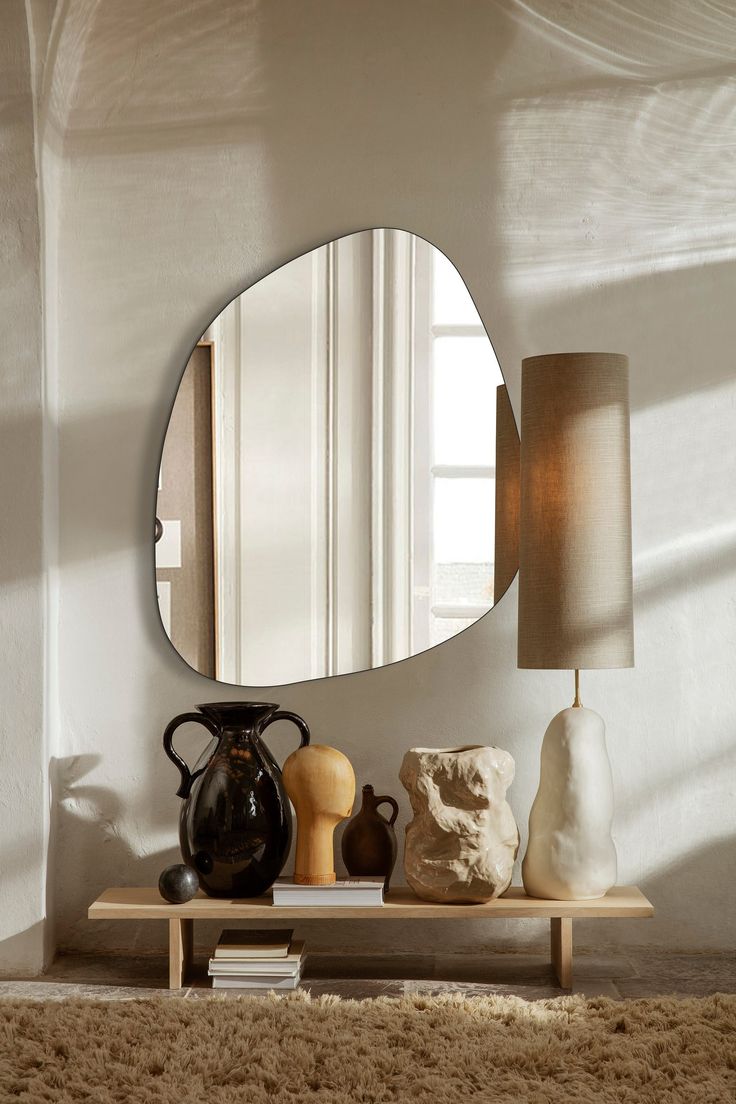
mirror@Pinterest

 curtain@AttPynta

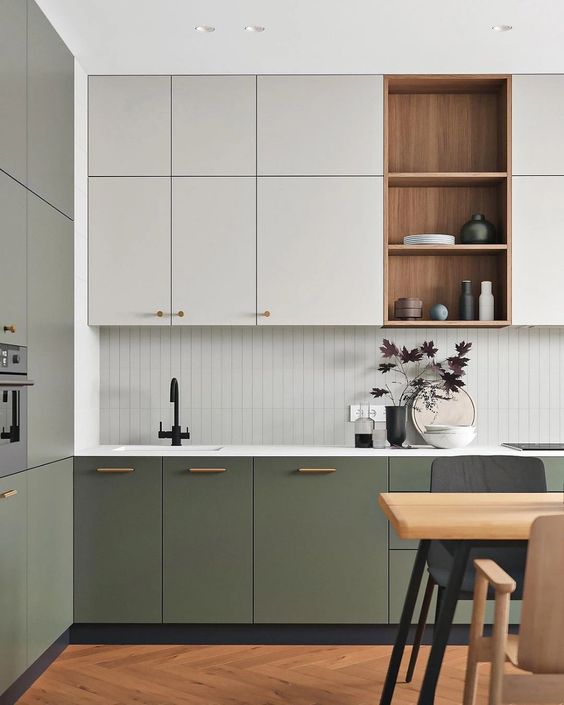
kitchen@Pinterest

Ideas for an autumn interior décor

Ideas for an autumn interior décor

Ideas for an autumn interior décor

The fall comes with an array of beautiful colours, from orange and terracotta to mustard yellow, mushroom brown and all the shades in between.  

An easy and cost-effective way to add a cosy and warm atmosphere to your interiors is by simply adding these colours into your home. Pair them with neutrals, grey, creams or moss green for an elegant and subtle colour combination. Or go bold and rich, using darker tones like wine red, burnt orange, and ochre to create an opulent effect. 

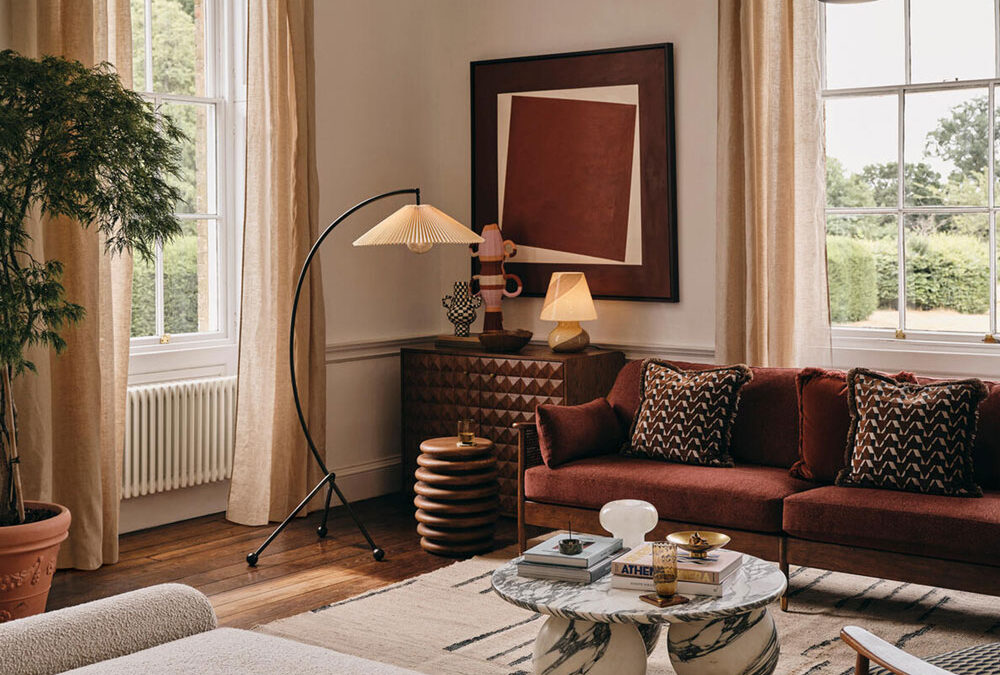
livingroom@SohoHome

 If you don’t want to start painting walls, you can incorporate an autumn palette in your decorations, from cushions to throws and blankets, from flowers to ceramics and artworks. Here below some decoration ideas to cosy-up your home: 

Give a new look to your cushions

Want to refresh the sofa? An effortless way to add seasonal accents is by changing the cushion covers. Introduce some moody and rust hues and include some velvets. Soho Home has some beautiful patterned ones. You could go with a full block of colour, or experiment with pattern and texture: why not mix velvet with some chunk linen to add a bit of character?

Change your bedroom décor

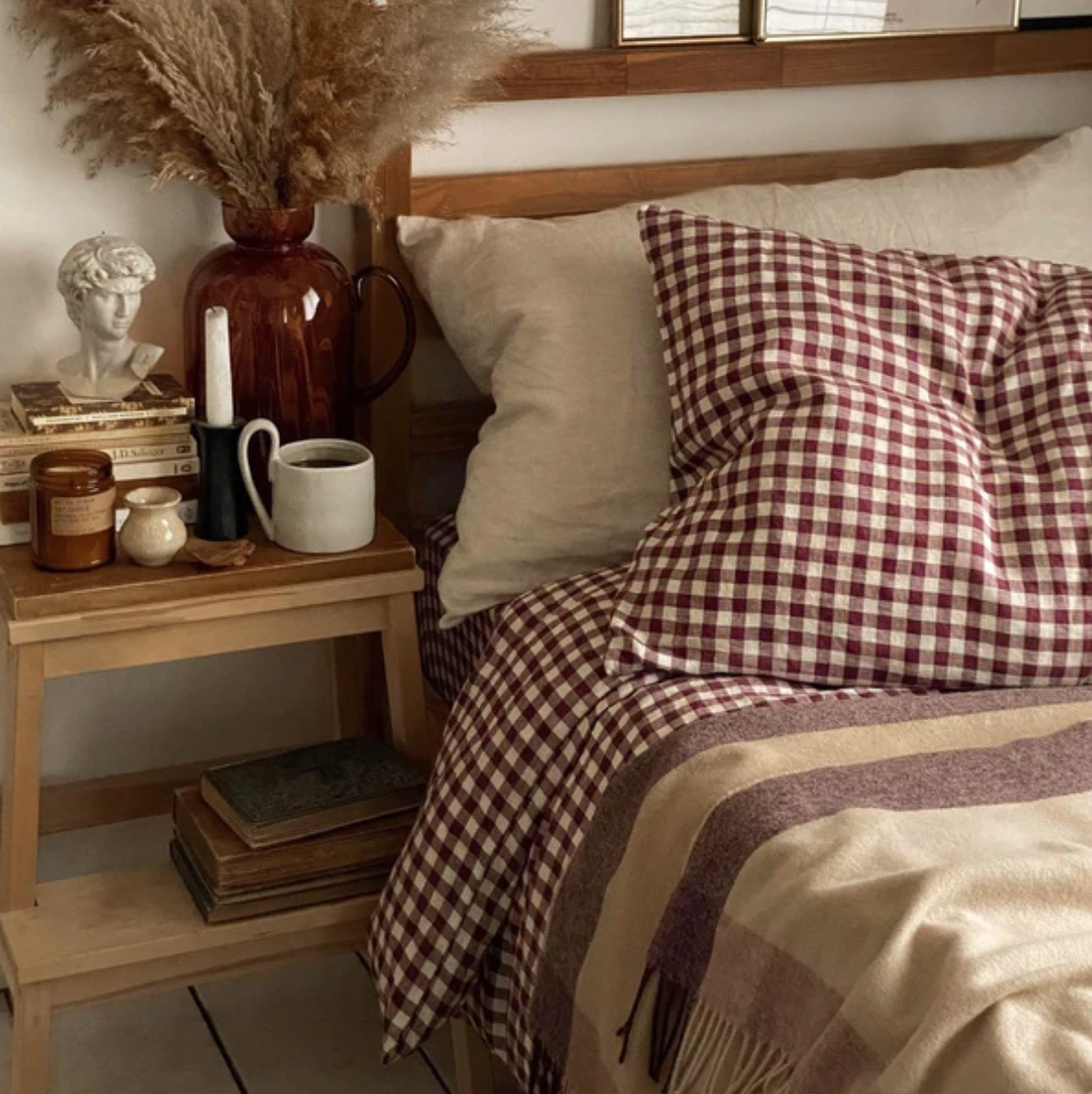
Replace the lightweight sheet with some cosy bedding. Pick a soft bedspread with warm and earthy tones, or simply arrange a fluffy blanket over the bed, to create an immediate autumnal feeling. Head over to Piglet in Bed if you are thinking of snuggling into some linen bedding.

Introduce autumnal scents

The smell is a powerful sense, able to evoke feelings and memories almost instantly.

If you are a fan of candles and diffusers, this is the time to go shopping for some autumn-scented ones. Bergamot, apple, cinnamon and nutmeg, these autumn scents will bring the extra dose of ambience your home needs. If you want to mix it up a bit, include some candlestick. They look very charming on the coffee table, or even the dining table to give a cosy vibe. You can pair them with some nice coloured candles! We recently discovered the ones from Khoal.

Flower power

If you like flowers in the house, swap them for more autumnal ones. Instead of a fresh bouquet, why not use some dried ones? Branches, dried flowers, or pampas grass, with their muted colours are a perfect addition for a fall vibe. And they last longer, so you will also save some pennies. Just take some extra care in the maintenance, they will need to be managed with caution to avoid breaking.

Get creative with fabrics

Add some home accessories like throws and rugs, they help soften a room while increasing the sense of cosiness. How to choose? A flurry blanket or a knitted one styled on the sofa and a shaggy rug will create immediately a real sense of autumnal cosiness. Fabrics add layers to your furniture and décor and help break sharp edges.

cushion_rust@SohoHome

bedding@PigletinBed

candels@Pinterest