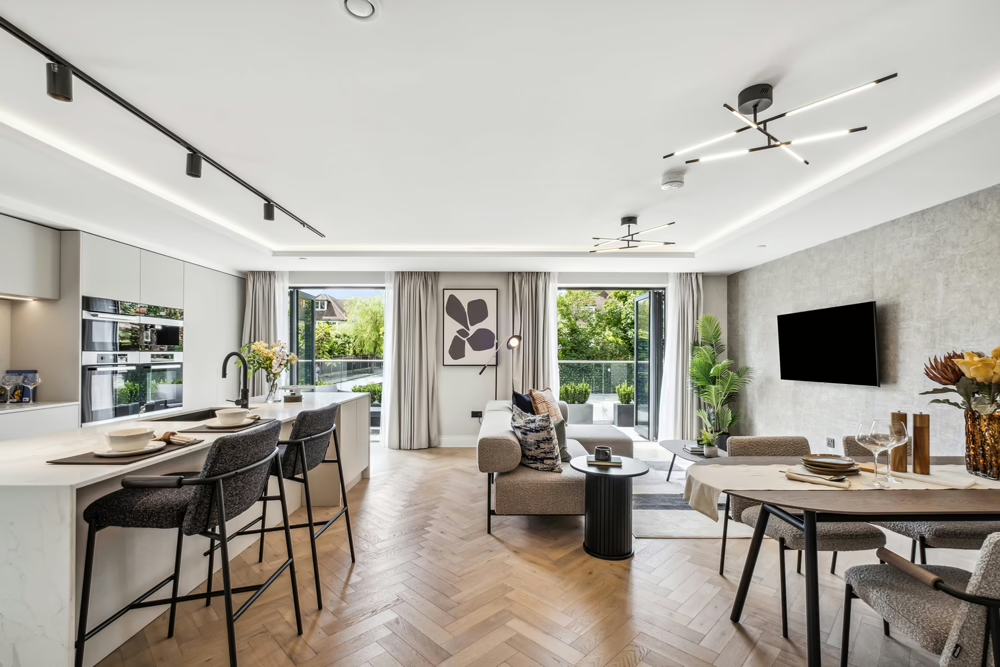
The power of staging and its design thinking
London’s property market is as much about presentation as it is about location. Whether you’re selling a Victorian terrace in Islington, a modern apartment in Canary Wharf, or letting a pied-à-terre in Kensington, first impressions directly influence both price and speed of sale.
This is where professional house staging in London and interior design make an impact, transforming properties into welcoming invitations for new beginnings
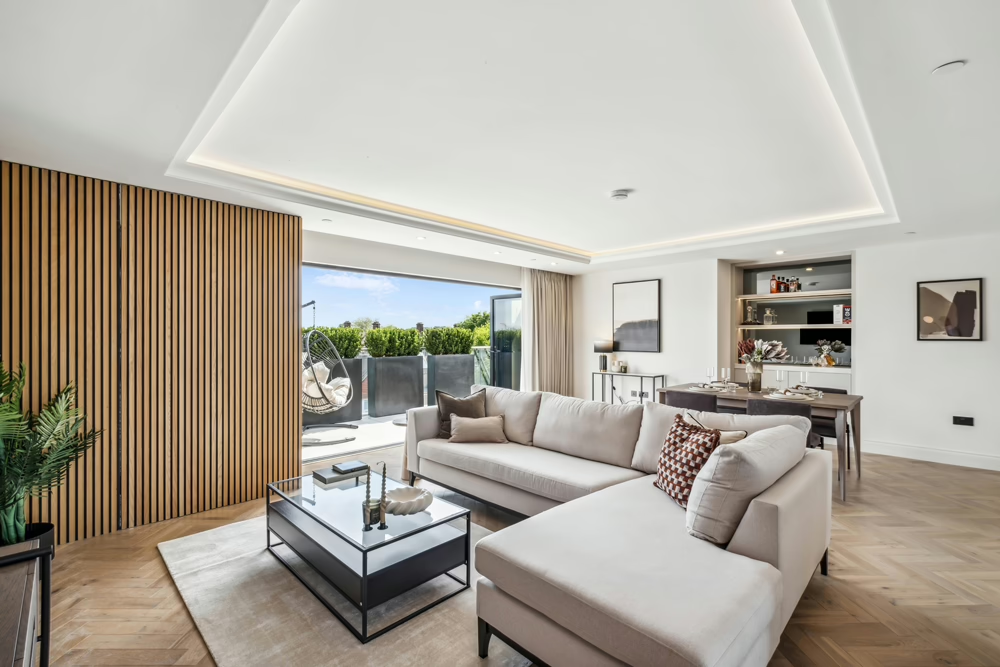
Today’s buyers and tenants are highly design-conscious. They’re not simply investing in bricks and mortar; they’re buying into a lifestyle and a vision of how they could live. In a media-driven market, and with property values at an all-time high, a well-presented home stands out instantly, online and in person.
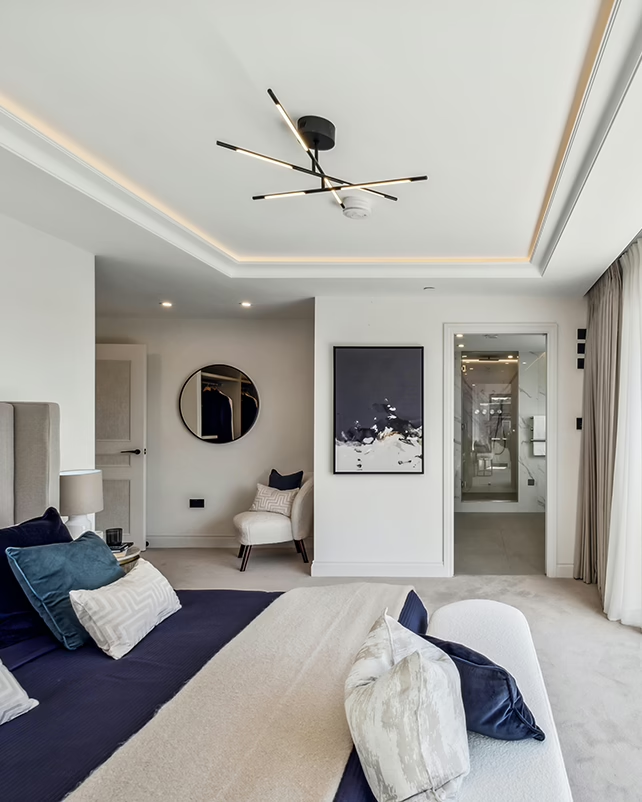
A few months ago, we were asked to style three luxury apartments in North London to improve positioning and accelerate sales. Here’s the process behind our design thinking.
STEP 01: understanding the area
We begin with research. Understanding the property’s location and market context is essential for staging that adds value.
Each London neighbourhood has its own architectural character and cultural identity. A townhouse in Chelsea, for example, differs significantly from a warehouse-style flat in Shoreditch.
We aim to highlight local features while aligning the design with the expectations of the area and price bracket.
So, our first step is asking:
+ Where is it located?
+ What surrounds the property?
+ What are the architectural and lifestyle features of the neighbourhood?
+ What is the market performing like in that area?
STEP 02: user persona
London isn’t one market; it’s a mosaic of micro-markets, each with unique demographics and buyer psychology.
A prospective tenant for a riverside apartment in Canary Wharf might differ entirely from a family looking in Hampstead. Age, profession, lifestyle and interests all influence purchase motivation.
From our experience, people are more inclined to make emotional decisions, such as renting or buying, when a space feels relevant to them.
When professional house staging in London reflects local lifestyle, it feels both authentic and aspirational, creating the emotional connection that often turns a viewing into an offer.
STEP 03: narrative and storytelling
We love a good story; it’s the backbone of great design.
When people walk into a property, they’re not only assessing layout or finishes; they’re imagining their future life there. A clear narrative helps them do that.
Many struggle to visualise potential in an empty or poorly presented room. A strong staging narrative gives context and purpose. Each item, colour and layout decision supports the story.
We ask: What would make someone fall in love with this space?
It could be a cosy reading corner in the main bedroom, a table set for two that suggests clever use of space in a studio, or a terrace styled for entertaining. If it’s a family home, details such as a designated play area or nursery can strengthen appeal.
Design that reflects how people actually live makes a property feel naturally desirable.
STEP 04: Finance and sustainability
Budget control plays a crucial role in staging. Unlike designing a forever home, staging requires a strategic return on investment. Knowing where to allocate budget and where to save becomes an essential skill.
London’s evolving market increasingly values sustainability. Wherever possible, we source eco-friendly materials, repurpose furniture and use energy-efficient lighting. Not only does this align with environmental priorities, but it also appeals to buyers and tenants who favour conscious living — a subtle yet valuable differentiator.
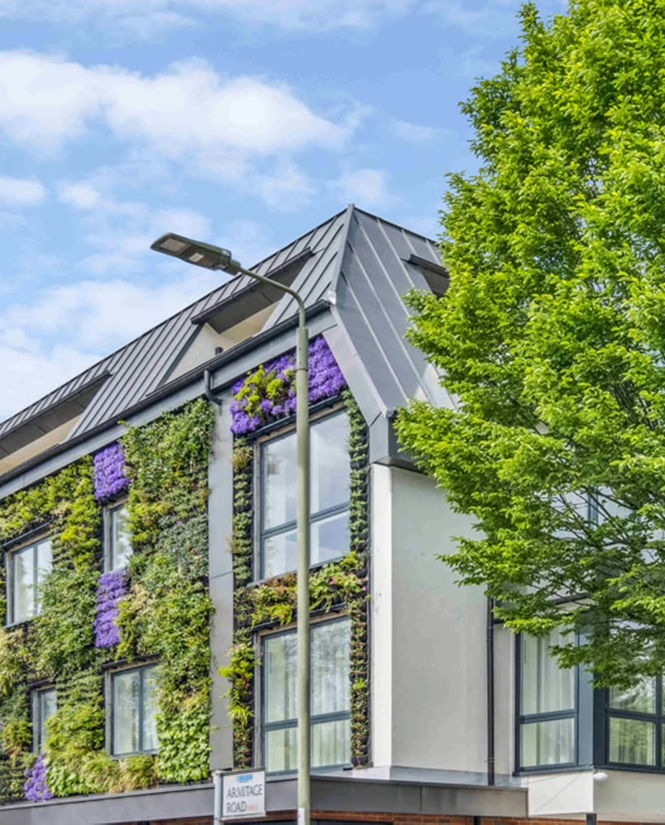
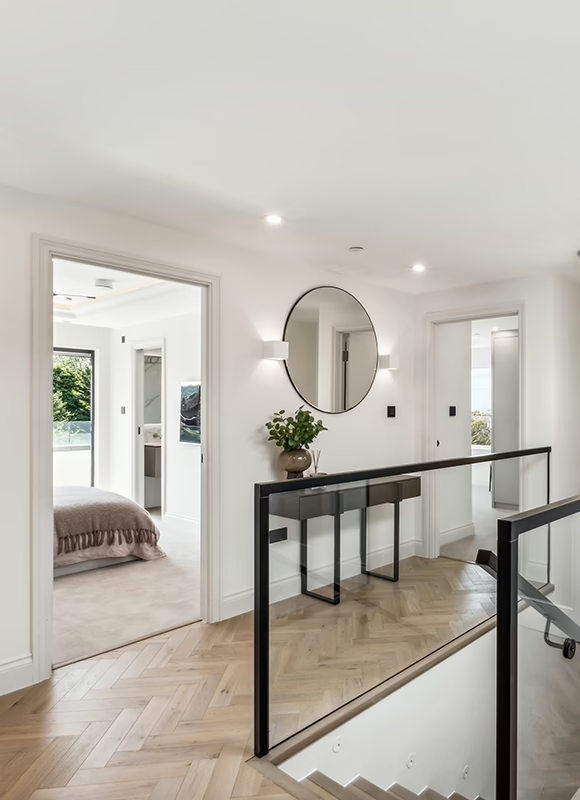
Conclusion? Staging should be viewed as an investment rather than an expense. With the majority of buyers first encountering a property through online listings, the visual impact of beautifully styled rooms can make the difference between a quick enquiry and a quick scroll past. According to numerous UK property studies, staged homes sell up to 30% faster and can achieve 8–10% higher offers compared to unstaged ones.
For rental properties, an attractive interior often translates to higher yields and reduced void periods.
And if you’re wondering whether those staged apartments were rented, the answer is YES! Just a few months later, the agent successfully completed all rentals. See the transformation in our before-and-after video: WATCH HERE
If you’re a property developer, estate agent, or private landlord who’s started thinking your property could use some TLC, drop us a message, we’d love to show you how we can help you gain a competitive edge.