Mastering small bathroom design

Mastering small bathroom design

Mastering small bathroom design

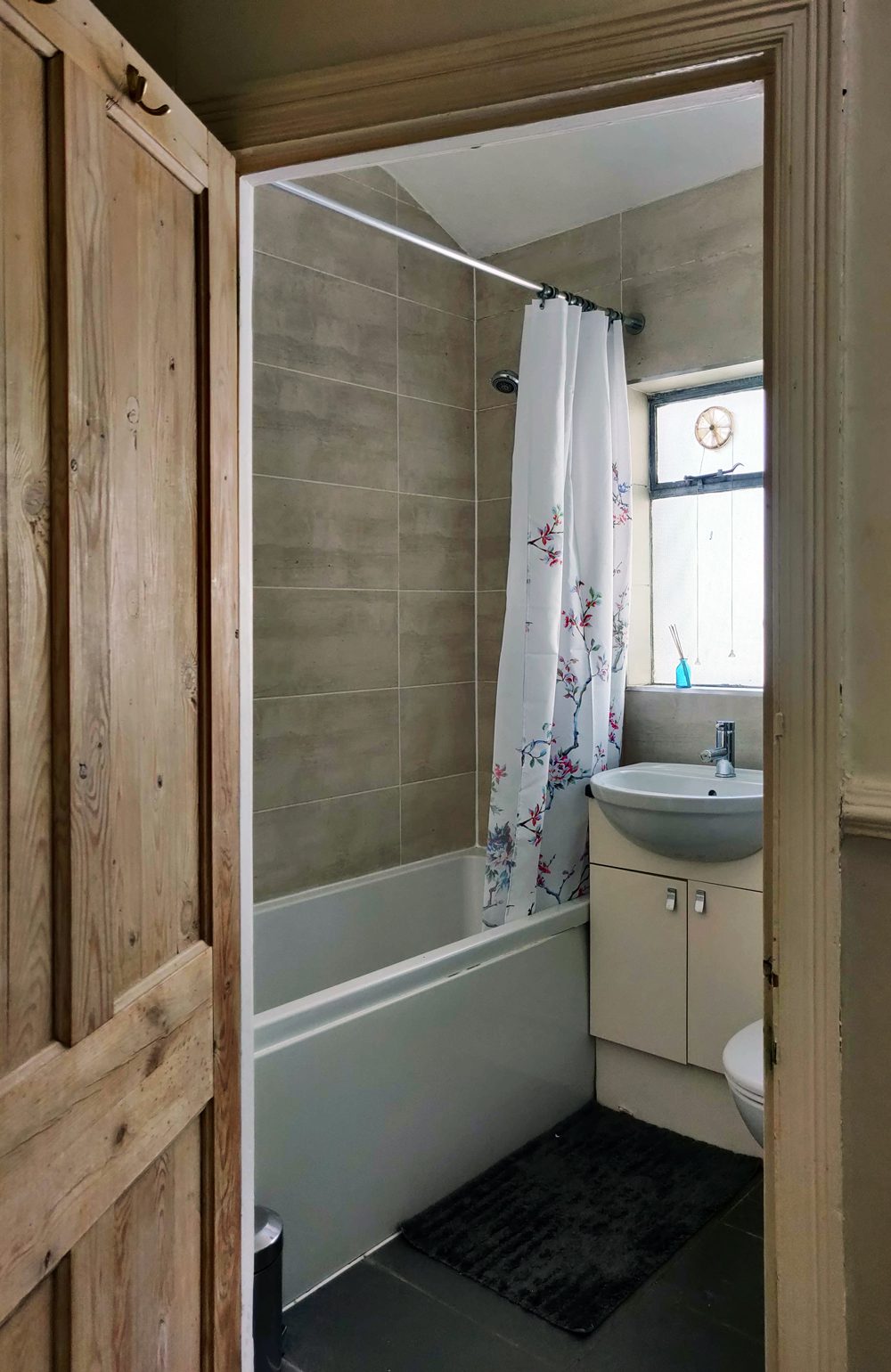
We do love a massive bathroom! Probably everyone does. But, particularly in London, we often work with small spaces and it can feel like solving a challenging puzzle. With limited space, every design choice must balance functionality and aesthetics. So we decided to put on “paper” a few tips and tricks on useful practices for designing a small bathroom, along with practical examples to inspire your next renovation.
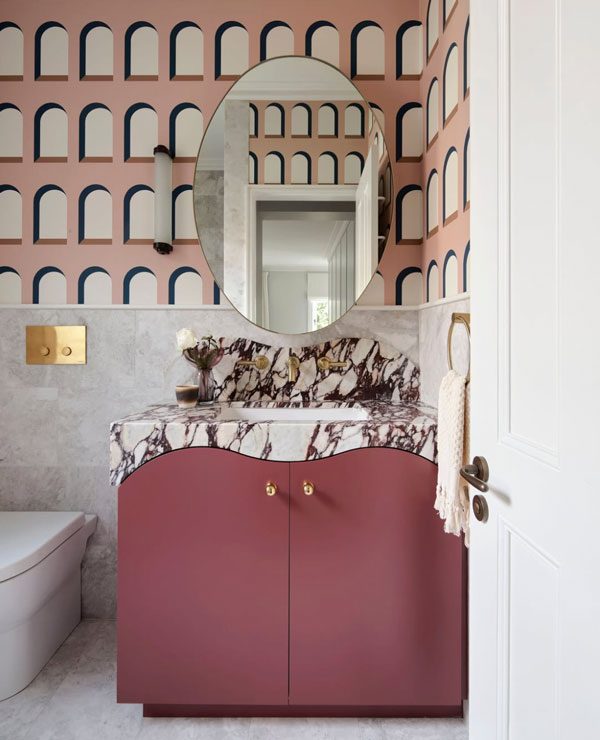
@arentpykestudio
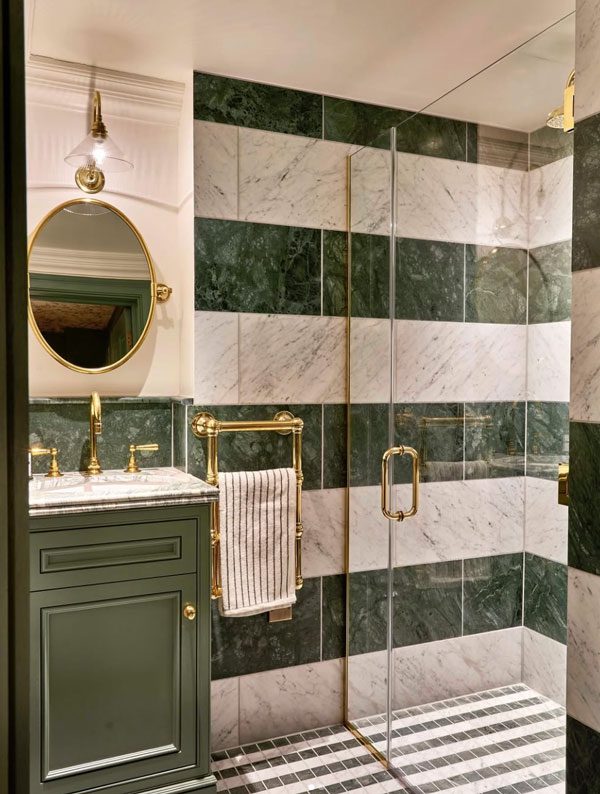
@barlowandbarlow

optimize the layout

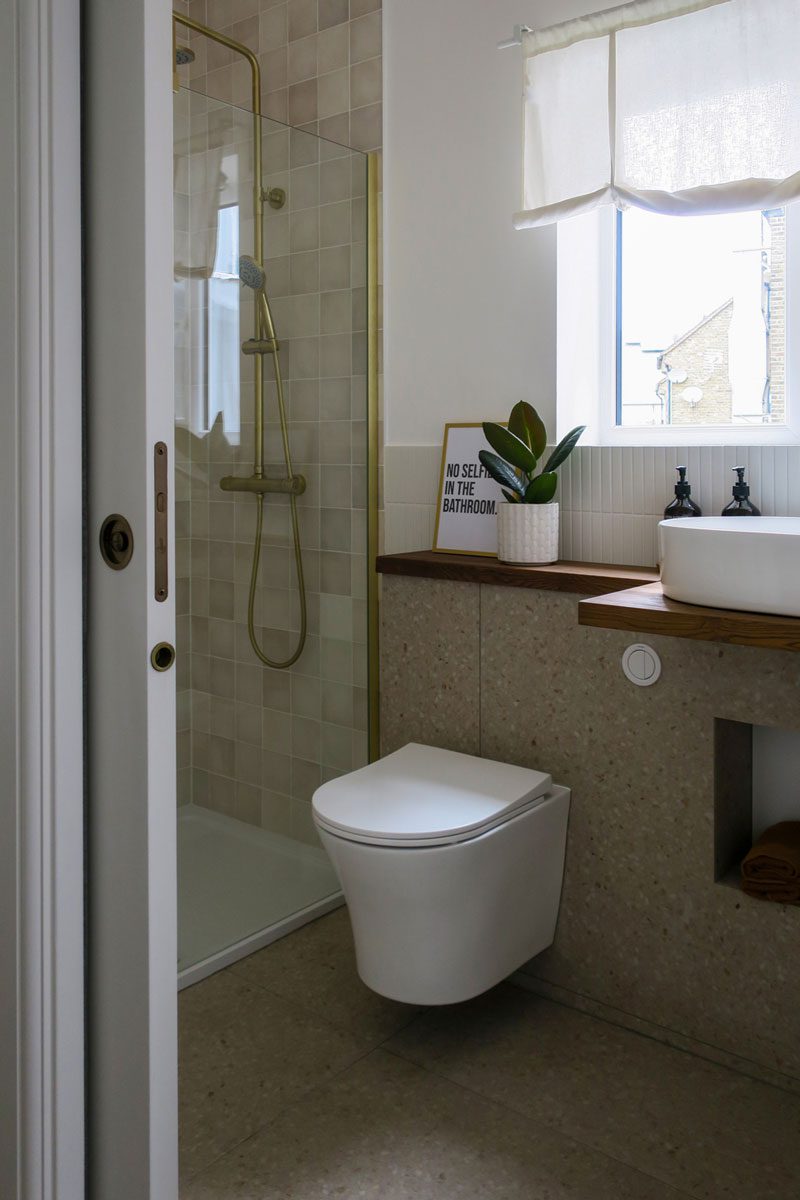
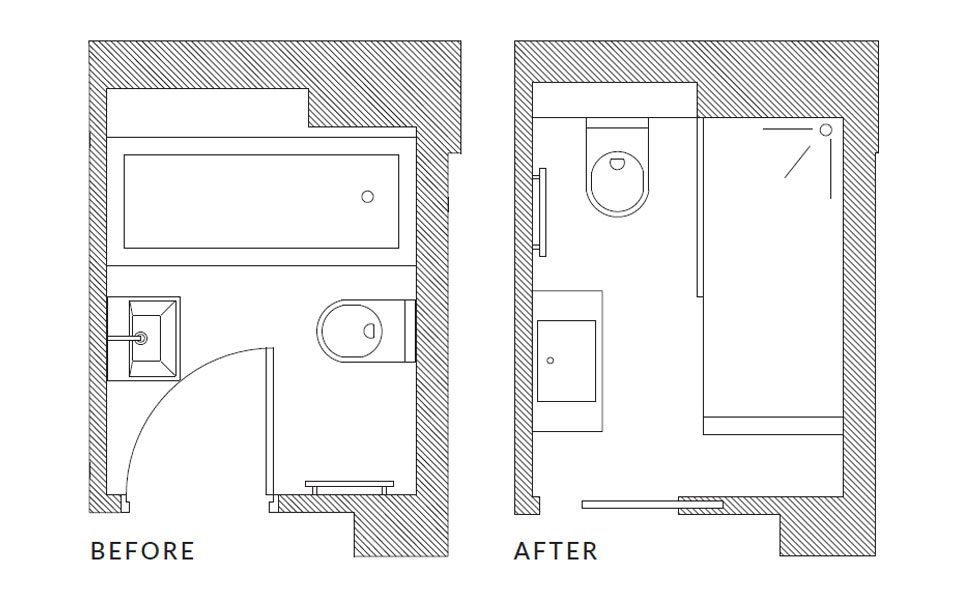
First of all, a small bathroom needs an efficient and cleverly designed layout to maximise utility, so when placing the toilet, sink, and shower, it’s important to think strategically to minimise wasted space. We usually opt for a wall-mounted toilet or sink to free up floor space: a more visible floor will give a greater sense of space. Also, choose sliding or pocket doors instead of traditional swing doors.

Example: Think linear, if the room is narrow, stacking all the elements on one wall reduces costs and enhances space efficiency.

choose the right fixtures and fittings

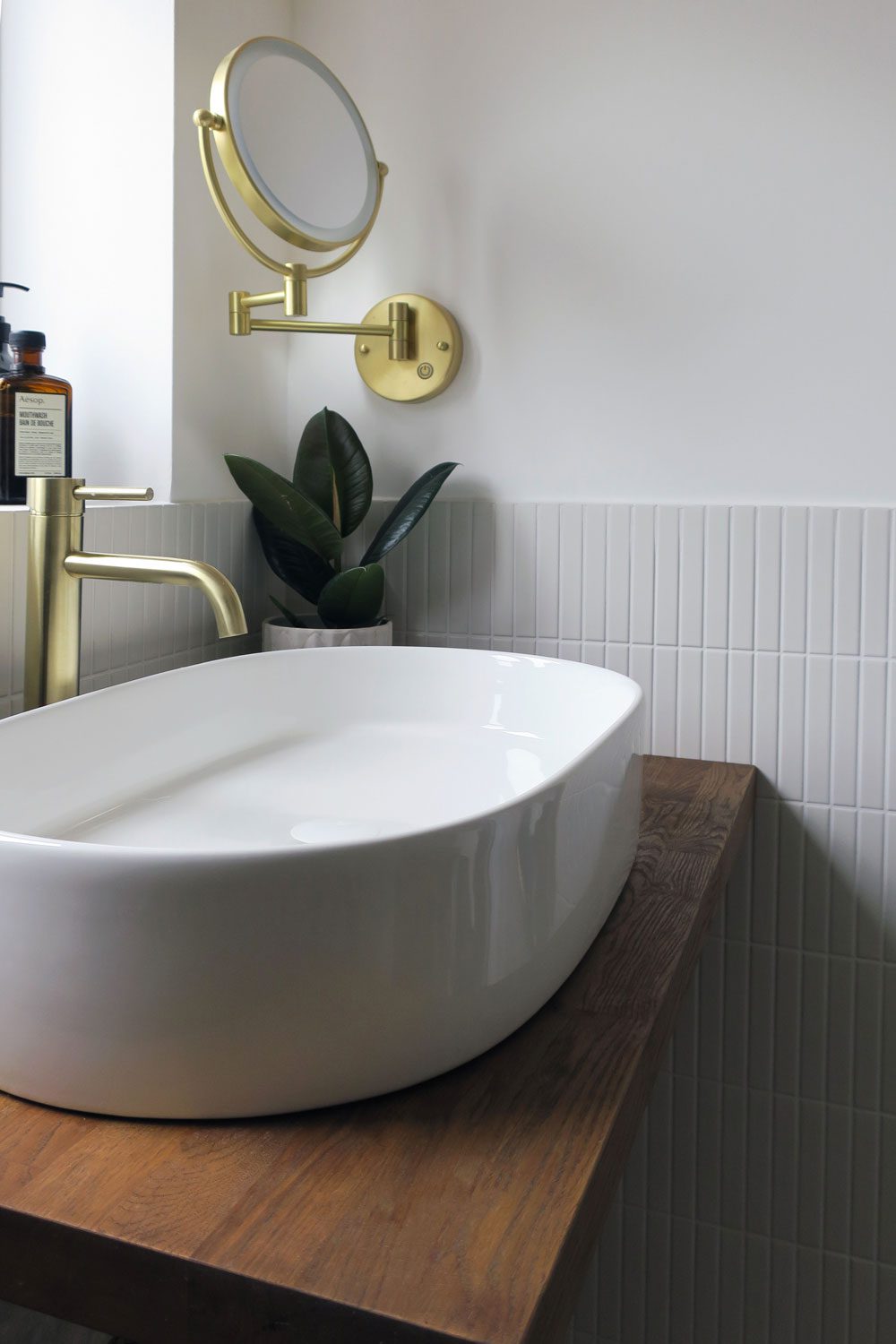
When choosing fixtures, selecting compact or multifunctional items tailored for small spaces is the best approach. This includes opting for a vanity with built-in storage but also using rounded edges, where possible, to prevent bumps in tight quarters.

Example: create a walk-in shower with a frameless glass door instead of a bathtub, this will make the space feel bigger and will allow you to get away with a slightly smaller shower width.

light up

If possible, adding a skylight or increasing the window size, will help to create a feeling of space. Incorporating layered lighting such as overhead lights, wall sconces, and recessed lighting is also a great way to enhance the space.

And for the windows? We tend to maximize natural light by keeping windows uncovered or using light and simple window dressing.

storage solutions

Every bathroom needs some sort of storage, even if it's a tiny one, and when the room is small, it can feel quite overpowering. One solution is to think vertically and incorporate smart storage like floating shelves or tall cabinets. How about integrating recessed shelves in the shower or above the toilet? Or use hooks or rails for towels and robes instead of bulky towel bars?

Example: A built-in cabinet with a mirrored front provides storage and the mirror will enlarge the perception of the space.

flooring and walls

Does the bathroom have a high ceiling? Bringing the tiles all the way up is a nice way to enhance the space. Also carrying the same floor times into the shower is a good solution to have a floor space that looks bigger.

Colour-wise, the most common advice is to go light, using a neutral palette, but we like a bit of colour and texture and think they both can add lots of value. But how? We usually go for a contrast between the floor and the walls: dark and light or bold and simple.
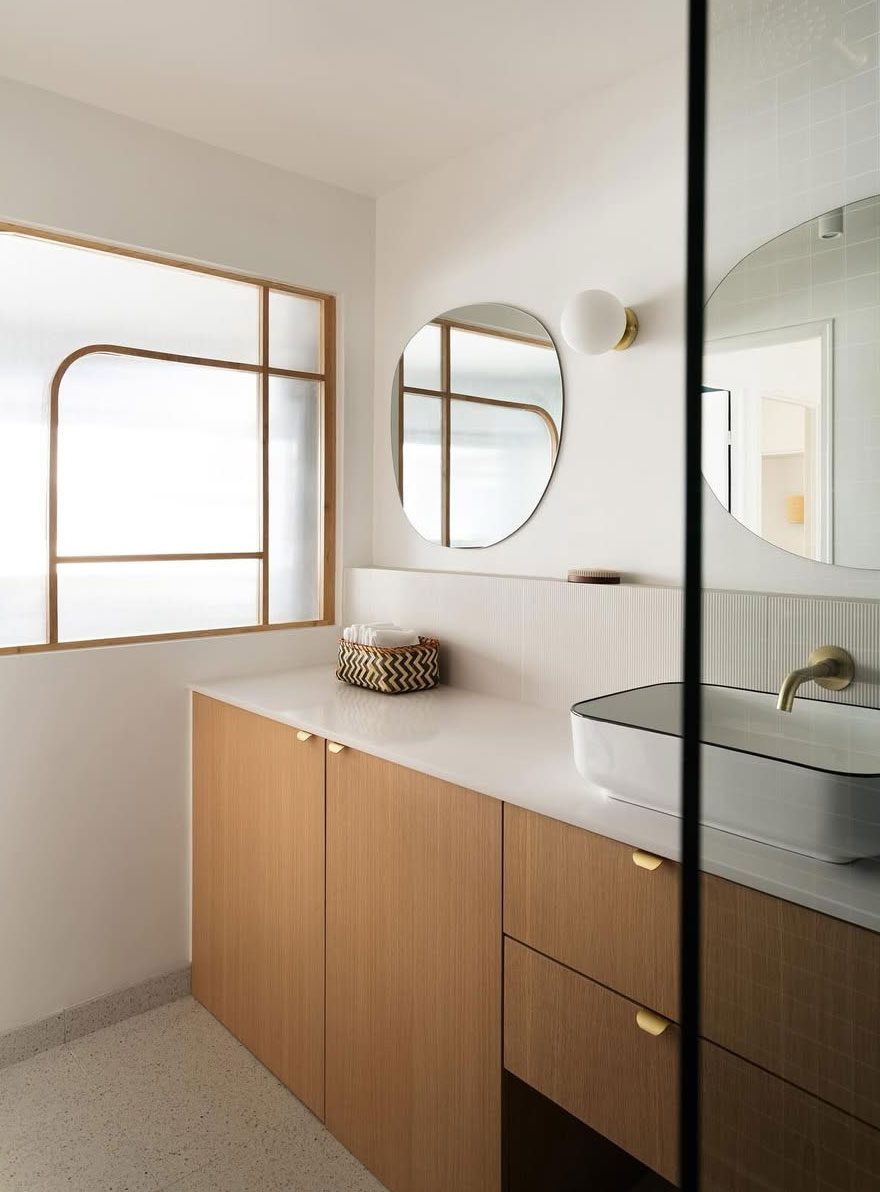
@laadstudio_
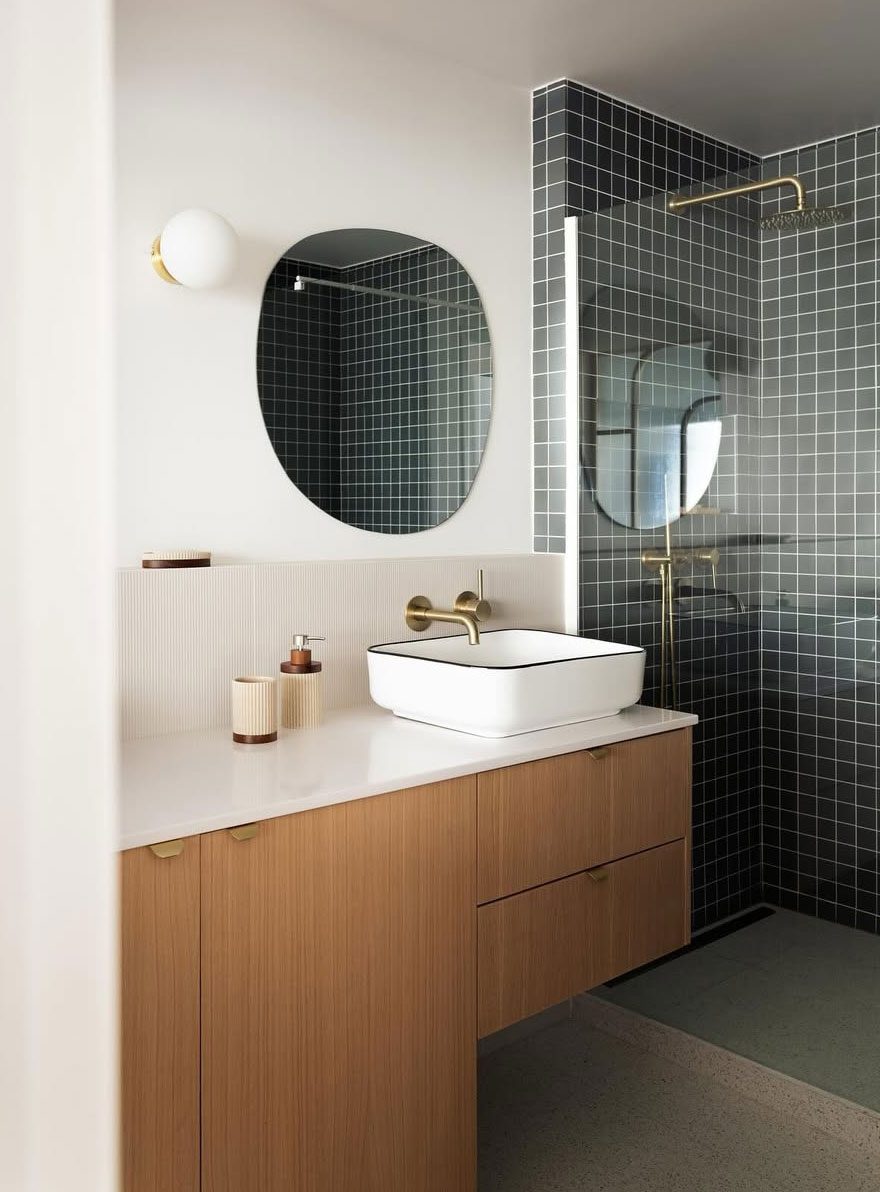
@laadstudio_

Despite the challenge, designing a small bathroom is an opportunity to get creative with space and style and think outside the box. By focusing on efficient layouts, thoughtful fixture choices, and clever design elements, even the smallest bathroom can be transformed into a beautiful and functional sanctuary!
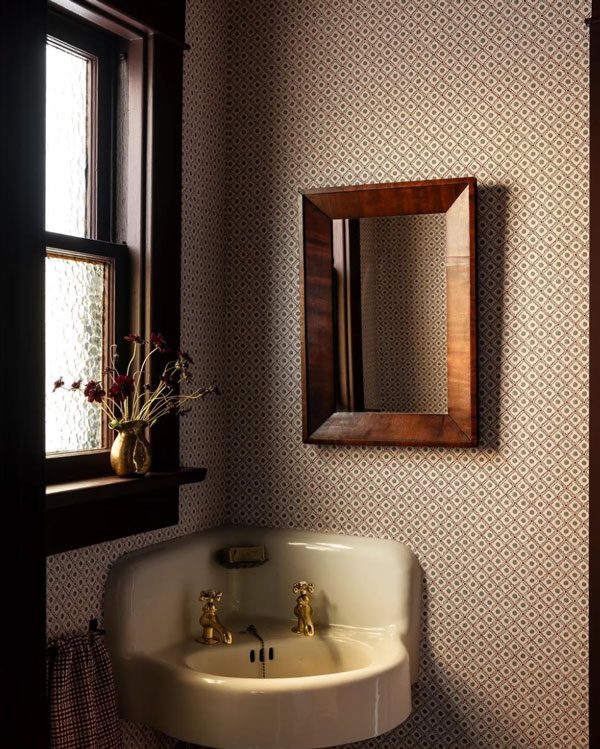
@meghan.eisenberg
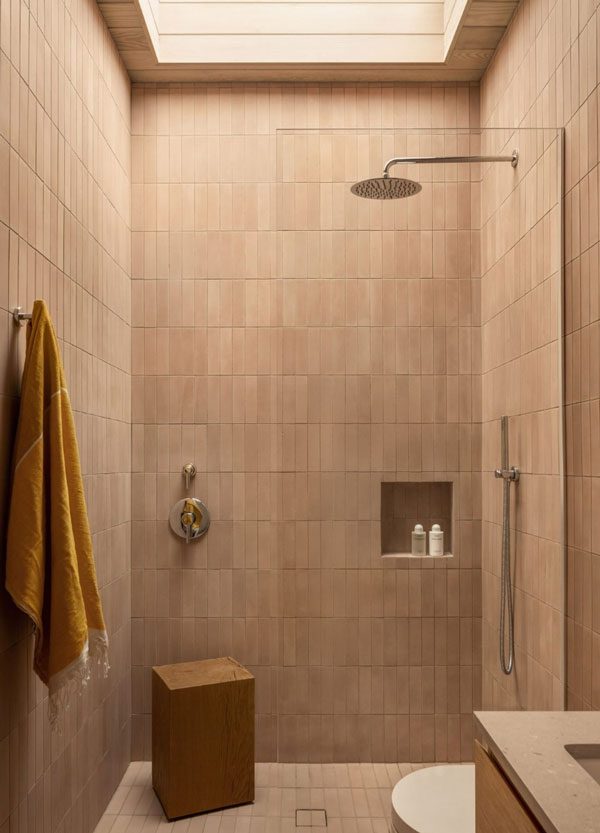
@starlingarchitecture
@interior105_design

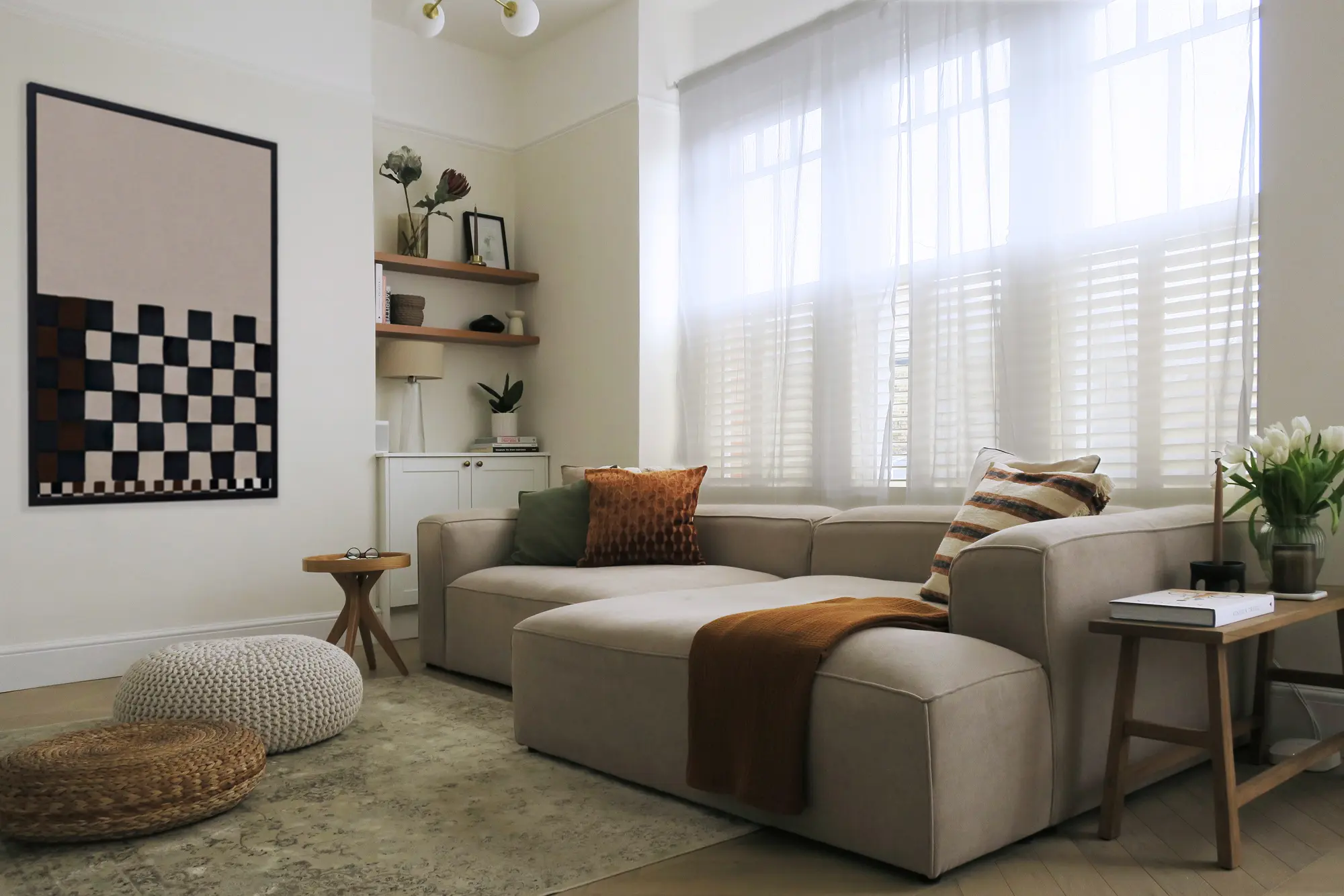
Renovation in Clapham Common

Renovation in Clapham Common

Renovation in Clapham Common

The North Street apartment is nestled in the heart of Clapham Common, in an area full of character and a strong community vibe. The maisonette flat is located on the first floor and originally consisted of three bedrooms, a compact living area, a large kitchen, and a very small bathroom.

Our client wanted to transform the space by reconfiguring it to suit their lifestyle while ensuring it would be appealing and practical for a future buyer. They wanted something stylish and high-quality but without sacrificing the functionality needed for everyday living.

Scope of Work

The work on site took roughly 4 months and involved a complete renovation, including the demolition and refurbishment of all rooms within the property. The scope of work covered every aspect, from flooring and wall treatments to the kitchen, bathrooms, and joinery design, as well as lighting and furniture selections.

Space Design

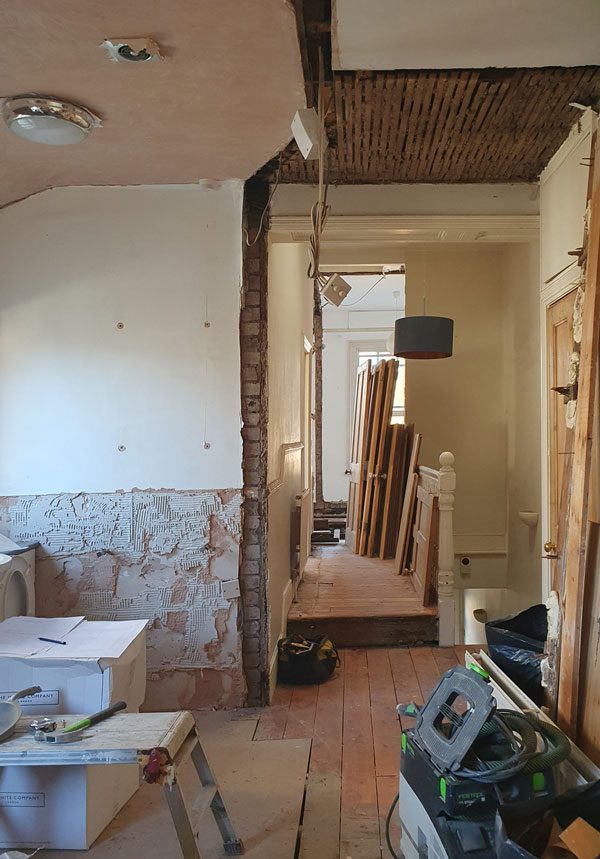
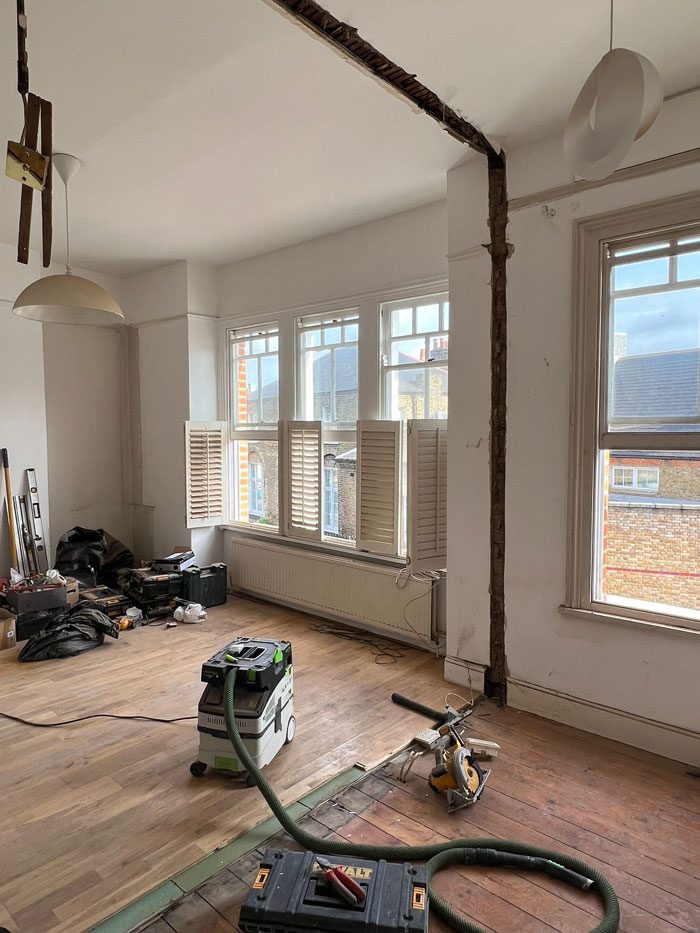
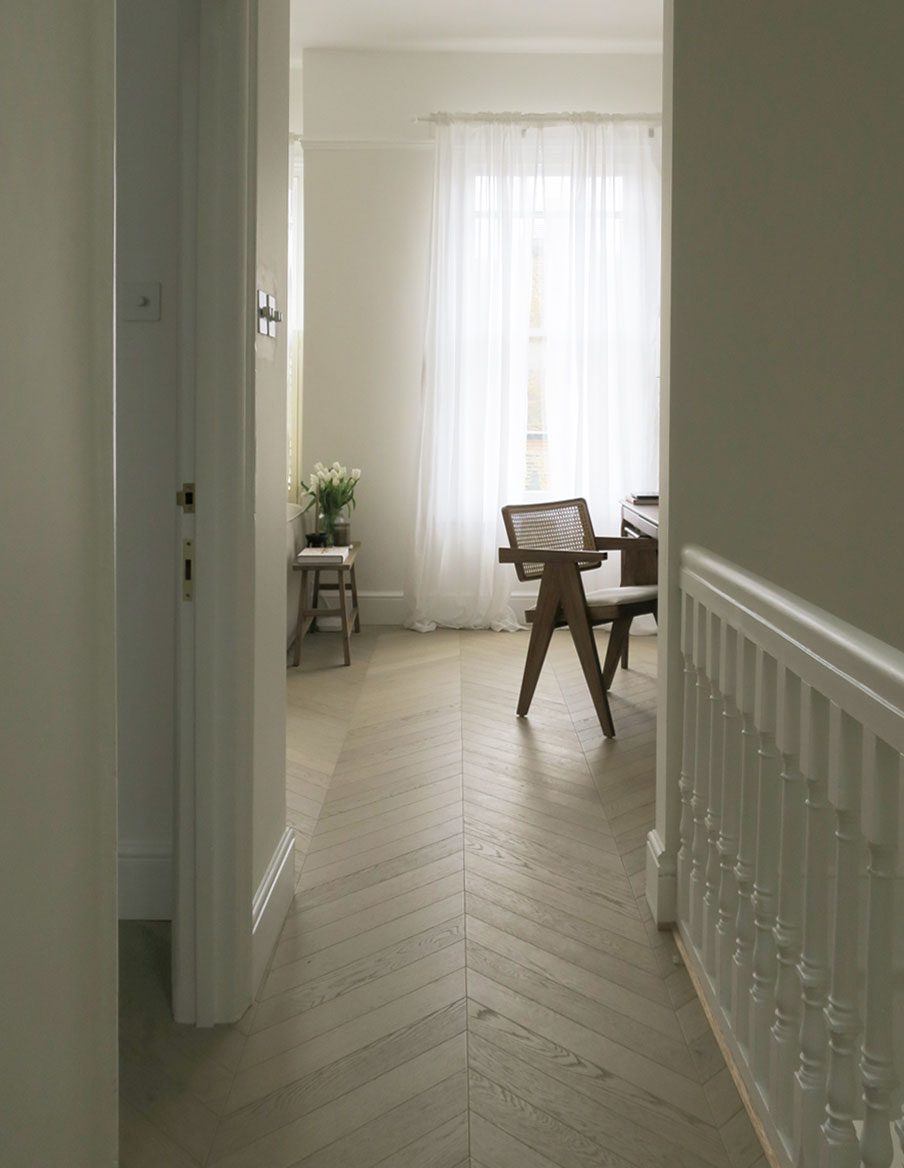
The main consideration in designing this flat was how to re-organise the space to better serve the client's daily needs. To achieve this, we opened up the living room by removing the wall between it and the adjacent studio, creating a spacious and light-filled reception room, leaving also space for a future loft conversion. By removing the door that separated it from the hallway, we allowed natural light to flow throughout the flat, enhancing the sense of space.

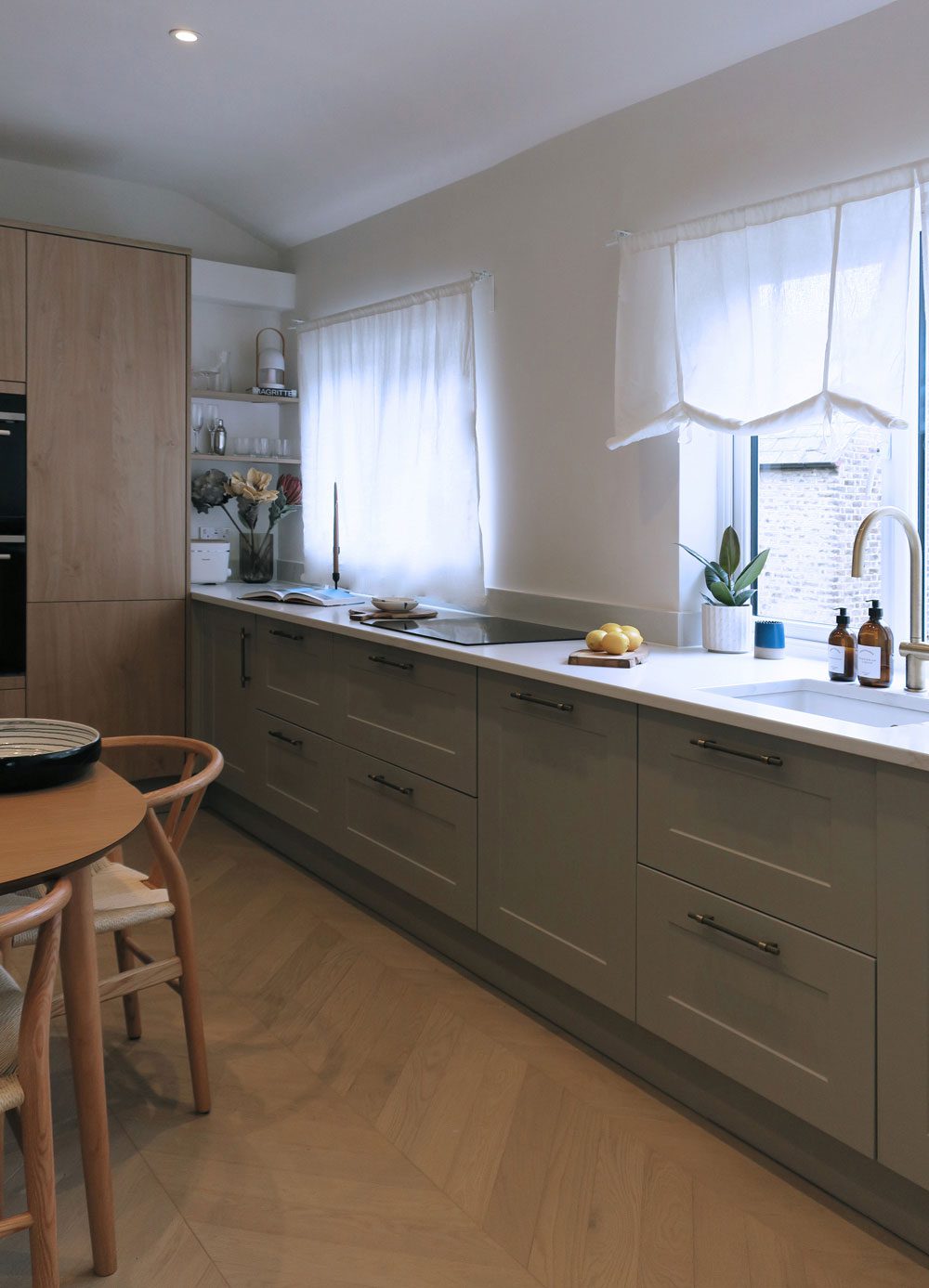
We also reduced the length of the kitchen to carve out extra space for an enlarged bathroom. The old hallway storage was completely demolished and replaced with a floor-to-ceiling, four-door custom cabinet, serving multiple purposes.

Materials

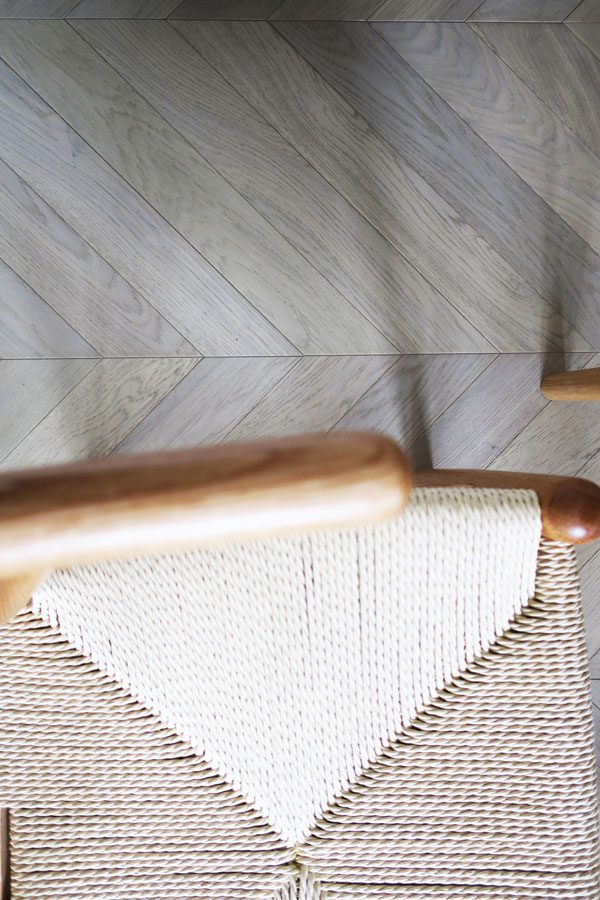
One key feature was the beautiful new wooden flooring, laid in a herringbone pattern throughout the entire apartment. This set the tone for the stylish and atmospheric design. We used warm oak for the flooring, and touches of oak were repeated throughout the scheme, from the kitchen to the custom shelving in the bedrooms.

For the bathroom, we chose Claybrook tiles for both the floors and walls, incorporating three different textures and cuts to create a sense of zoning. The warm, neutral tones enhance the feeling of spaciousness, and the brass fixtures further elevate the overall aesthetic

How to incorporate textures in interior projects

How to incorporate textures in interior projects

How to incorporate textures in interior projects

In the world of interior design, textures play a pivotal role in creating visually engaging and inviting spaces. The art of mixing and matching textures is a skill that can elevate the aesthetics of any room, adding depth, character, and a touch of luxury. The key lies in striking a balance and letting the textures work together to create a cohesive and inviting environment. Here's a glimpse into how some of the textural elements can be used.

diverse fabrics to create movement

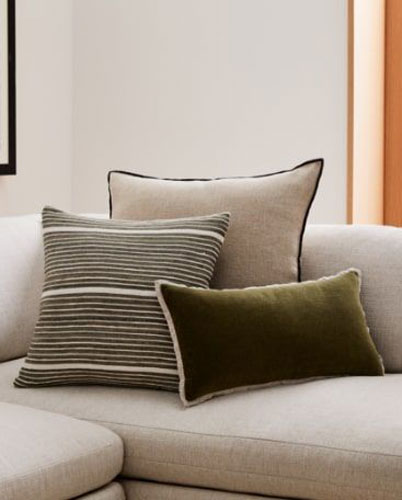
One of the most effective ways to introduce texture is through fabrics. Experiment with a mix of fabrics like velvet, linen, wool, and silk. Consider combining smooth and plush textures with more tactile and rough fabrics. A velvet sofa paired with a chunky knit throw, for example, can create a nice contrast that not only looks appealing but also adds a sensory dimension to the space.

cushions@WestElm

balance hard and soft surfaces

Incorporate a balance of hard and soft surfaces to create a harmonious blend. Pair sleek, glossy surfaces with soft, matte textures. For instance, a glass coffee table on a plush rug or a polished stone countertop juxtaposed with wooden chairs. This interplay of opposing textures not only adds visual interest but also ensures a well-rounded design.

kitchen@RebeccaJansma

natural elements for timeless appeal

Bring the outdoors in by incorporating natural textures like wood, stone, or rattan. These materials add warmth and a timeless quality to your interior. Consider a wooden accent wall, stone countertops, or rattan furniture to infuse a touch of nature's textures into your living space.

rattan@SohoHome

layering for depth

Layering different textures is a key technique in achieving a multidimensional look. Combine smooth with rough, shiny with matte, and coarse with fine. Incorporate throw pillows, blankets, and rugs in varied textures to create a rich and inviting atmosphere.

rug@CharlapHyman&Herrero

the power of plasterwork

Plaster can be molded into intricate patterns and designs, offering a wide range of decorative possibilities. Whether it's ornate cornices, elegant ceiling medallions, or decorative wall panels, plasterwork allows for the creation of unique and bespoke elements that add character, movement and sophistication to any interior.

cornice@CovetNoir

statement wall treatments

Experiment with textured wall treatments to make a bold statement. Consider wallpaper with raised patterns, textured paint, or even reclaimed wood paneling. These additions not only serve as focal points but also add an extra layer of visual intrigue to your space.

wall@CharlapHyman&Herrero

7 compelling reasons to hire an interior designer

7 compelling reasons to hire an interior designer

7 compelling reasons to hire an interior designer

We know people often question why they would need to hire an Interior Designer when there is so much inspiration out there to be easily accessible such as Pinterest, Instagram, or even simply Google. For this reason, the choice to engage an interior designer is frequently met with hesitation.

kitchen_detail@Interior105

Some may see it as an unnecessary expense, assuming they can manage the task independently. However, the advantages of hiring a professional interior designer far surpass the initial investment. Keep reading to discover 7 compelling reasons why you should consider involving an interior designer in your project:

Save your money

Contrary to common belief, hiring a designer can help you stick to your budget. With industry connections and negotiation skills, an interior designer can secure the best deals on furnishings and materials, ultimately saving you money in the long run. They also assist in preventing expensive mistakes. There is something to be said for “measuring twice and ordering once,” the margin of error is reduced when working with a designer, so the investment is more likely to yield a better result.

A trained eye

With in-depth knowledge of design principles, colour theory, and spatial arrangements, an interior designer brings a wealth of expertise to the table. They have an eye for detail and pay extra attention to aspects of the home that a homeowner may not. From furniture and lighting to textures and accessories, an interior designer considers all the elements, ensuring that the entire space harmonizes seamlessly.

On time and on budget

Rather than starting a project on your own and not knowing how much the final cost will be. an interior designer compiles a detailed Schedule of Works with cost breakdowns and timelines. Coordinating with vendors, contractors, and artisans,  ensures the project is completed within the specified time and budget.

Surprise element

One of the biggest reasons people hire interior designers to do up their homes is because they love the surprise element. Interior designers bring a sense of style and aesthetics to think outside the box, making your home more appealing and functional. Their knowledge of design trends and timeless classics enables them to customize your space according to your personal aesthetic.

Save your time

Time is a precious commodity, and embarking on a home design project can be time-consuming. An interior designer streamlines the process, saving you valuable time and ensuring a more efficient project timeline, thanks to their full-time commitment to the job.

Reliable network

Most interior designers boast a large and reliable network of collaborators, including handymen, electricians, plumbers, carpenters, and other vendors. This network, built over years of experience, ensures timely and expert execution of various project components. That way, you don’t have to worry about whether your new cabinets will arrive on time or if the tiling has been executed correctly.

Maximize Property Value

While many homeowners tend to focus on what they can see in front of them, professionals know how to look ahead. Beyond the immediate visual impact, interior designers consider the long-term value. Their expertise in products, layouts, and functionality that add value to a property can significantly increase its resale value, attracting potential buyers with a visually pleasing and well-designed home.

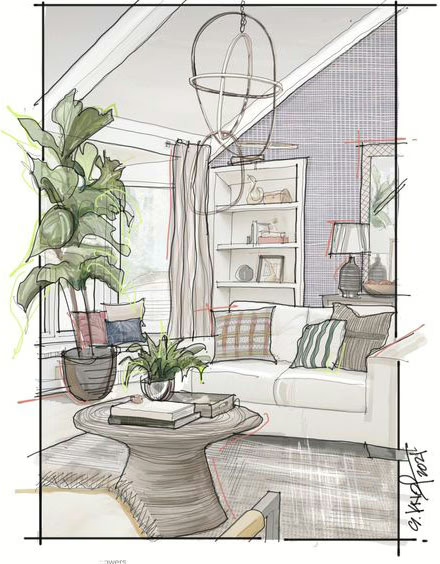
sketch@KNOFdesign

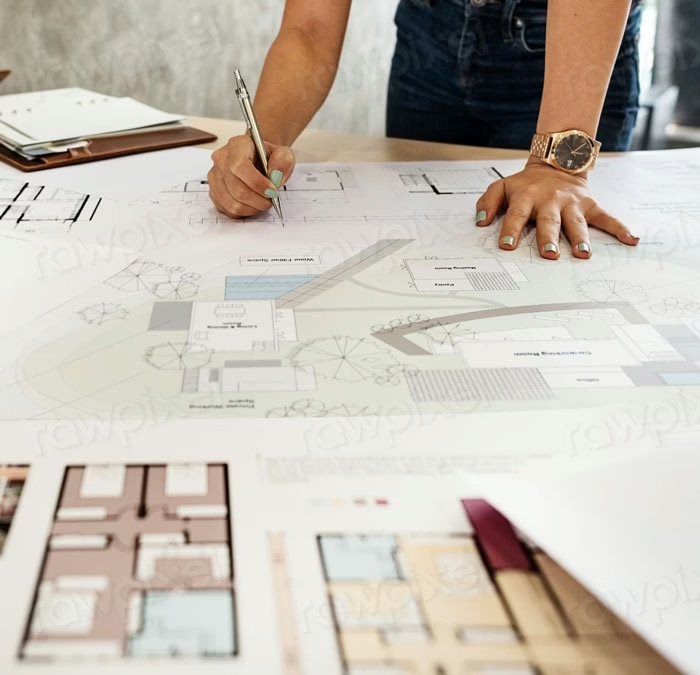
sketch@RawPixel

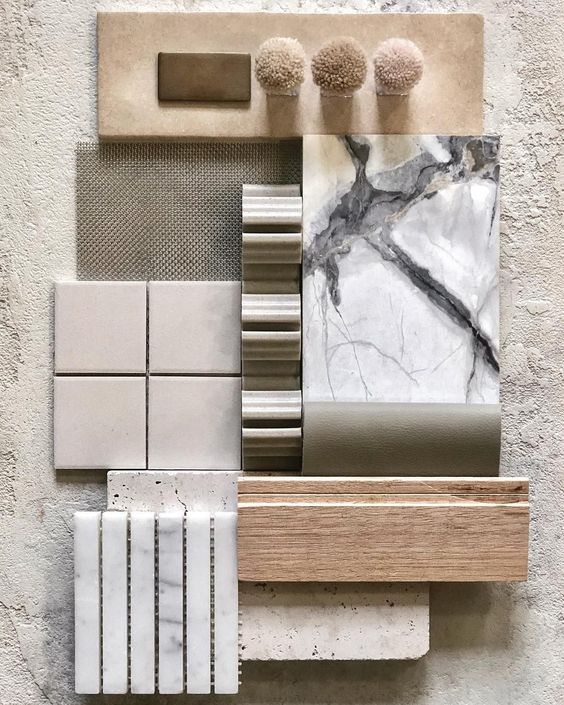
palette@Pinterest

Ideas for an autumn interior décor

Ideas for an autumn interior décor

Ideas for an autumn interior décor

The fall comes with an array of beautiful colours, from orange and terracotta to mustard yellow, mushroom brown and all the shades in between.  

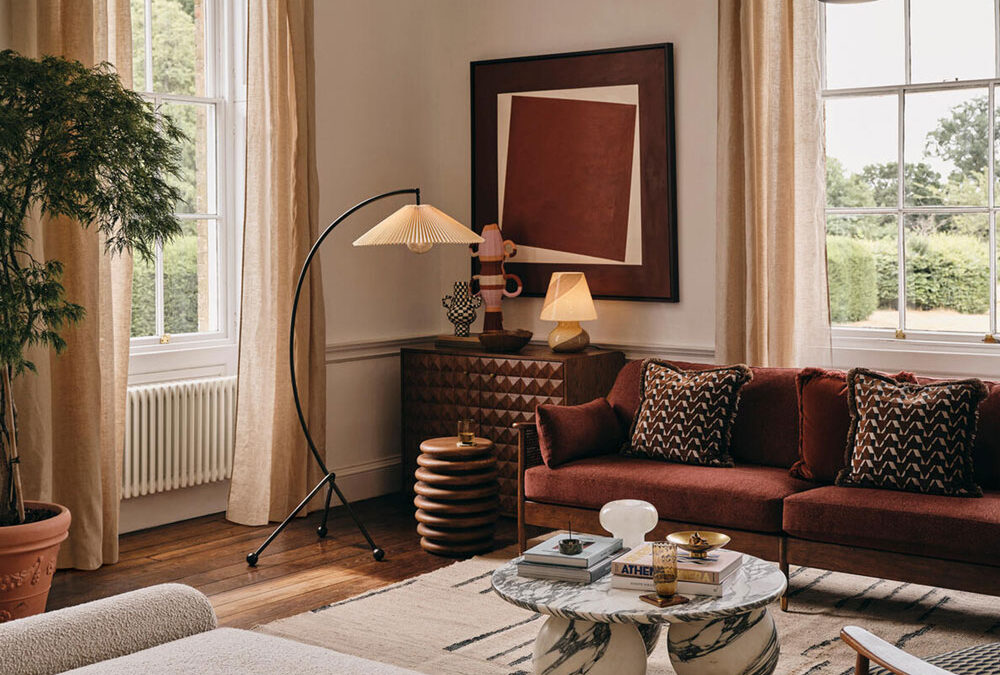
An easy and cost-effective way to add a cosy and warm atmosphere to your interiors is by simply adding these colours into your home. Pair them with neutrals, grey, creams or moss green for an elegant and subtle colour combination. Or go bold and rich, using darker tones like wine red, burnt orange, and ochre to create an opulent effect. 

livingroom@SohoHome

 If you don’t want to start painting walls, you can incorporate an autumn palette in your decorations, from cushions to throws and blankets, from flowers to ceramics and artworks. Here below some decoration ideas to cosy-up your home: 

Give a new look to your cushions

Want to refresh the sofa? An effortless way to add seasonal accents is by changing the cushion covers. Introduce some moody and rust hues and include some velvets. Soho Home has some beautiful patterned ones. You could go with a full block of colour, or experiment with pattern and texture: why not mix velvet with some chunk linen to add a bit of character?

Change your bedroom décor

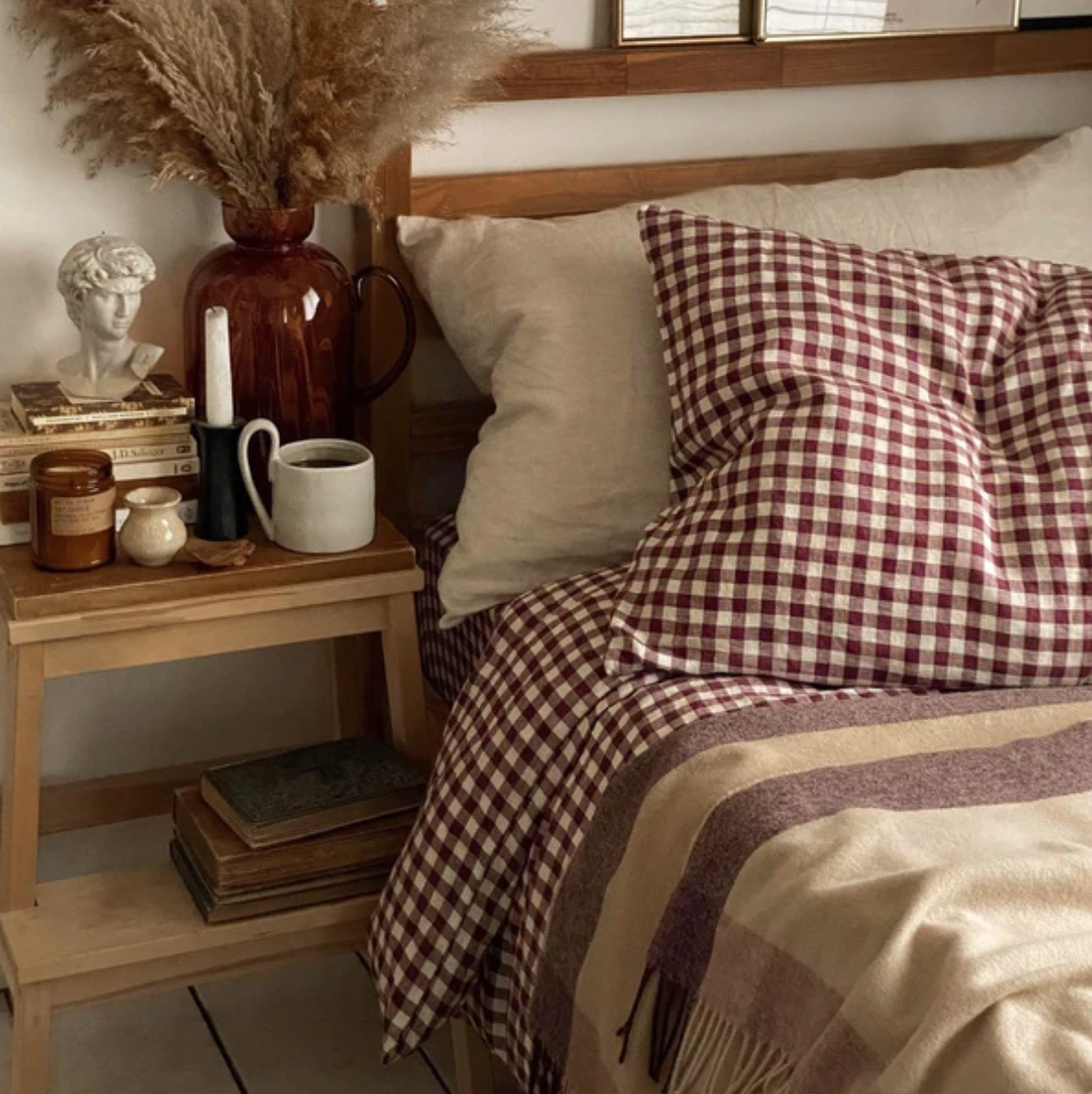
Replace the lightweight sheet with some cosy bedding. Pick a soft bedspread with warm and earthy tones, or simply arrange a fluffy blanket over the bed, to create an immediate autumnal feeling. Head over to Piglet in Bed if you are thinking of snuggling into some linen bedding.

Introduce autumnal scents

The smell is a powerful sense, able to evoke feelings and memories almost instantly.

If you are a fan of candles and diffusers, this is the time to go shopping for some autumn-scented ones. Bergamot, apple, cinnamon and nutmeg, these autumn scents will bring the extra dose of ambience your home needs. If you want to mix it up a bit, include some candlestick. They look very charming on the coffee table, or even the dining table to give a cosy vibe. You can pair them with some nice coloured candles! We recently discovered the ones from Khoal.

Flower power

If you like flowers in the house, swap them for more autumnal ones. Instead of a fresh bouquet, why not use some dried ones? Branches, dried flowers, or pampas grass, with their muted colours are a perfect addition for a fall vibe. And they last longer, so you will also save some pennies. Just take some extra care in the maintenance, they will need to be managed with caution to avoid breaking.

Get creative with fabrics

Add some home accessories like throws and rugs, they help soften a room while increasing the sense of cosiness. How to choose? A flurry blanket or a knitted one styled on the sofa and a shaggy rug will create immediately a real sense of autumnal cosiness. Fabrics add layers to your furniture and décor and help break sharp edges.

cushion_rust@SohoHome

bedding@PigletinBed

candels@Pinterest